Community Art Santa Barbara: History and Initiatives
Defining Community Art with Recycled Materials
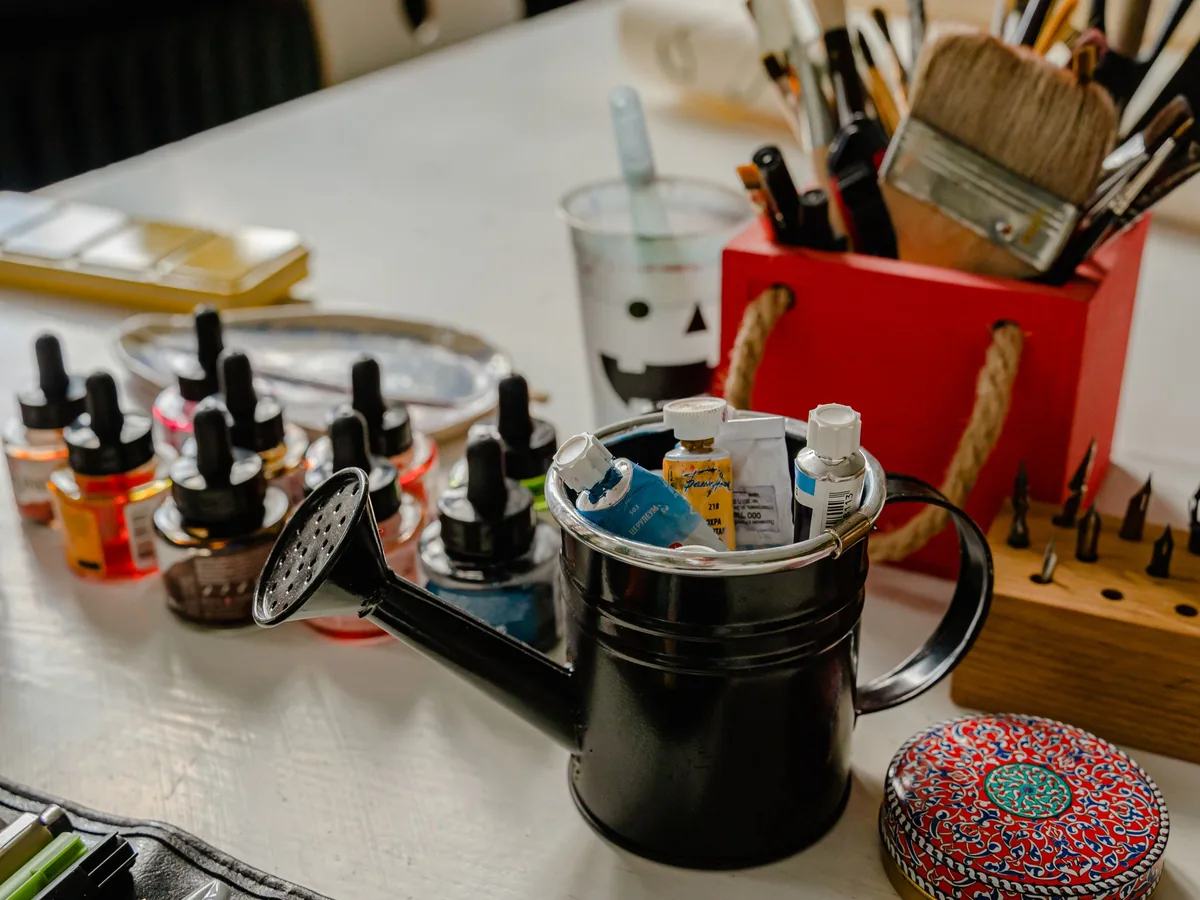
Community art is defined by the making together. A group chooses a theme, gathers materials, agrees on a design and then builds the work in stages. The finished piece matters, but the shared work and conversation are often what participants remember most. Recycled materials add a second layer of meaning, because each part has an earlier use that the group can recognize and reinterpret.
Early Community Art Projects in Santa Barbara
Community art in any city usually starts with a small group of artists, teachers or residents who want to make something in a shared space. Early projects are often modest: a banner, a bench, a row of planters. This article does not list the earliest projects in the local area, because the details of each one have not been verified.
Collaborative Murals and Installations
Collaborative murals and installations are the most visible forms of the practice. A mural may be painted on a wall with tiles, mosaic pieces or painted panels salvaged from other projects. An installation may be a field of hanging objects or a sculpture assembled from donated parts. Good projects divide the work into tasks that people of different skills can do at once.
Workshops That Engage Local Residents
Workshops that engage local residents are the entry point for most people. A workshop should explain the materials, show one clear technique, set a manageable goal and leave time for questions. Facilitators who keep a relaxed pace and welcome mistakes help newcomers stay involved, and they make it easier for children and adults to work side by side.
The Role of Schools and Nonprofits
Schools and nonprofits support community art by providing space, materials, volunteers and a way to reach new audiences. Teachers can link projects to lessons in science, history and language. Nonprofits can use projects to bring residents into contact with environmental topics. Clear agreements about roles, ownership and maintenance make these partnerships last.
Success Stories: Transforming Public Spaces
A successful project transforms the place where it happens, but it also changes the people who made it. Success is better judged by whether participants gained skills, whether the work is cared for after completion and whether it gave the group a shared story. This guide does not present a success story, because such claims need evidence from the project itself.
How to Get Involved in Community Art
To get involved, look for open workshops at libraries, schools, studios and reuse stores, and ask how volunteers are chosen and how the finished work will be displayed. Many projects welcome help with sorting materials, painting, cutting or supervising children, and training is usually given on the day.
A practical way to start a neighborhood project is to walk the area first and list the spaces that people already use, such as a wall, a fence, a bus shelter or a school yard. Choosing a space people visit anyway makes it more likely that the work will be seen, cared for and talked about.
FAQ
- What is community art?
- Community art is art made by a group of residents, often with recycled materials. Projects can be murals, installations or series of workshops with a shared display at the end.
- How can I participate in community art projects?
- Search for open workshops at schools, libraries, studios and reuse stores, and contact the organizer to ask how to join.
- Are there free art workshops in Santa Barbara?
- Free workshops exist in many communities, but schedules change. Use the current listings of local organizers rather than a fixed schedule.